

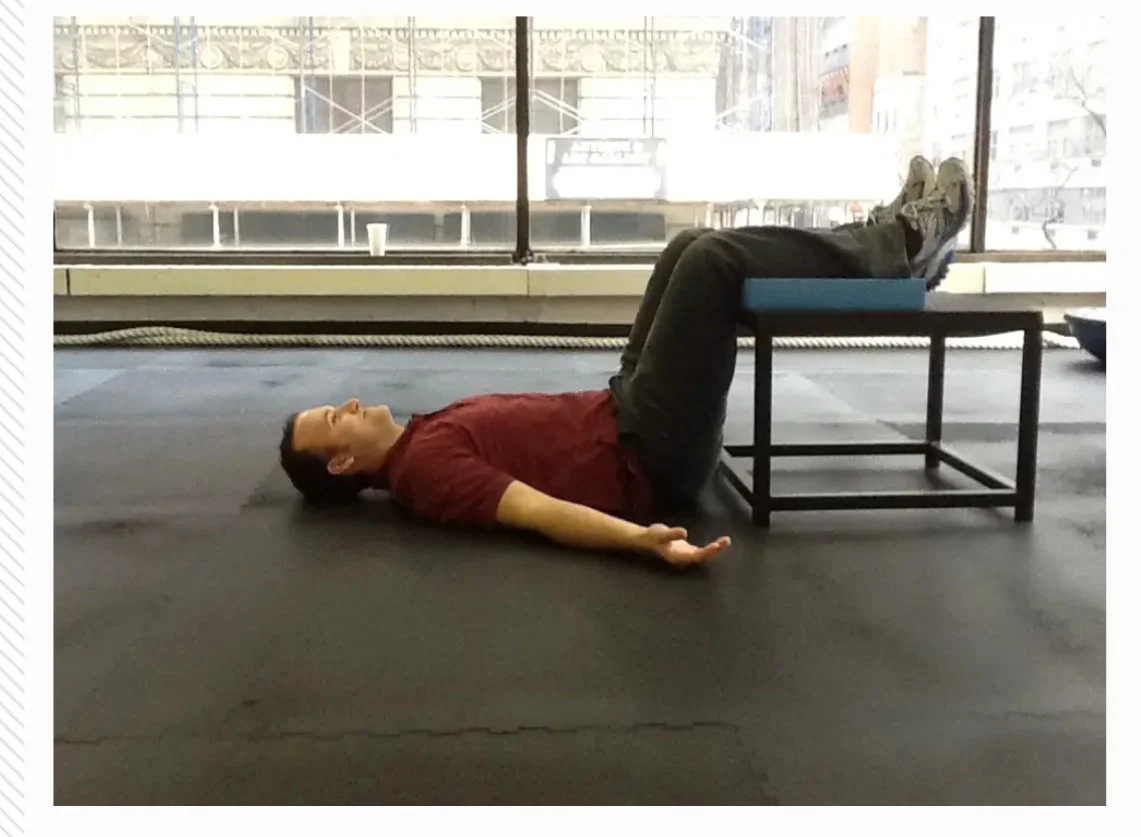

…that’s the commonality of all my 80+ year olds that are doing well. It’s not their diets, supplements, or specific exercises….
90 Second Rule
Individuals, Not Imaging (Your MRI is misleading)
Breathe like this to decrease stress

Dry Needling Decreases Pain
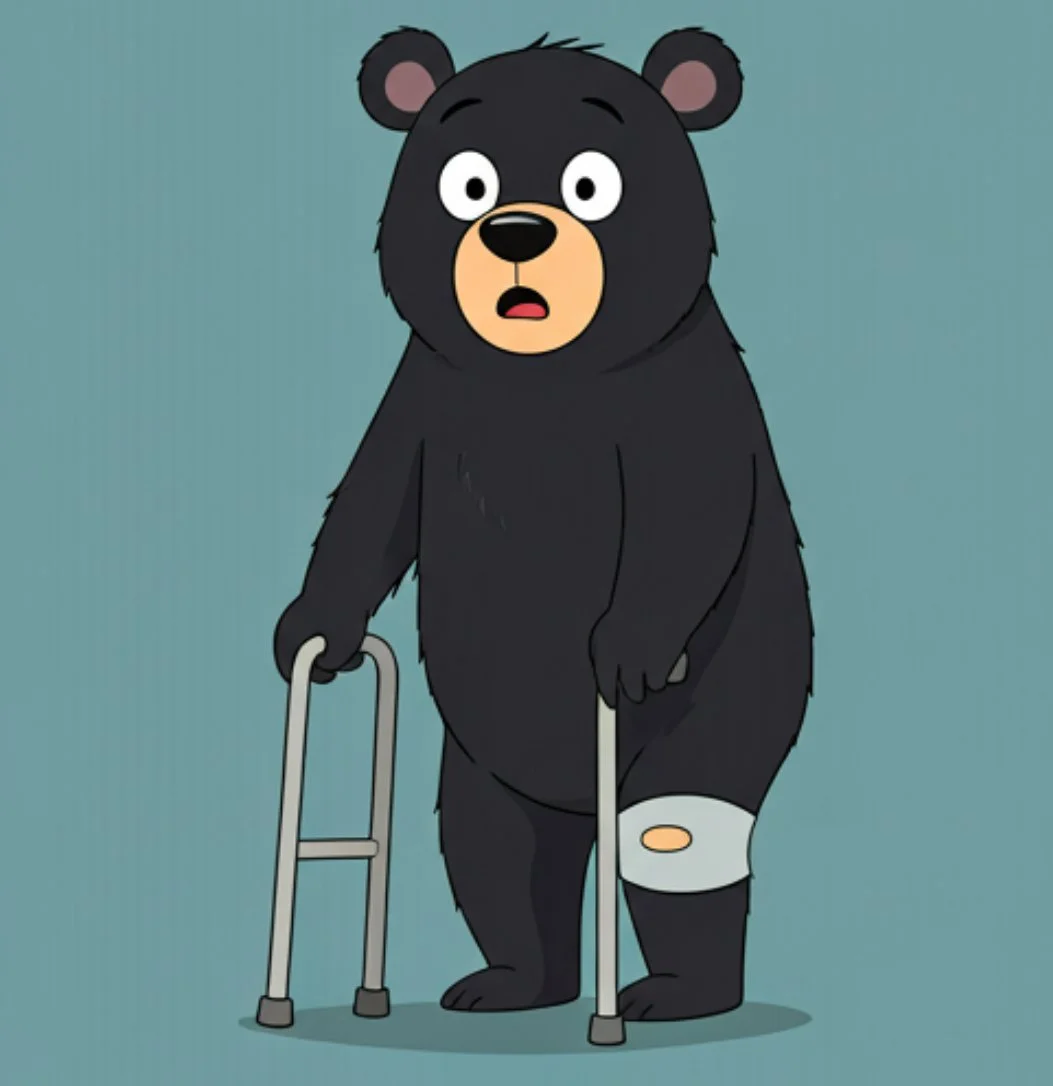
Not happy with your Knee Replacement at 3 months, might be a strength issue
Studies and clinical experience show that it takes a long time to develop strength after a total knee replacement.
So don't give up on your exercises too soon.
“We found moderate certainty evidence that deficits in muscle strength of the knee extensors persist and progress until 3 months post-total knee arthroplasty in patients with end-stage knee osteoarthritis.”
If you are unsatisfied with your TKA results give us a call. We can help
https://pubmed.ncbi.nlm.nih.gov/36637491/
Exercise to Help Your Nerves
“Now, MIT engineers have found that exercise can also have benefits at the level of individual neurons. They observed that when muscles contract during exercise, they release a soup of biochemical signals called myokines. In the presence of these muscle-generated signals, neurons grew four times farther compared to neurons that were not exposed to myokines. These cellular-level experiments suggest that exercise can have a significant biochemical effect on nerve growth.”
https://news.mit.edu/2024/when-muscles-work-out-they-help-neurons-grow-1112
https://doi.org/10.1002/adhm.202403712
The Broccoli Test
Don't want to meditate? Try exercise
Does the type of exercise for the knee matter?
According to the study below…no.
“There was no difference between the addition of anteromedial or posterolateral hip musculature strengthening to knee strengthening in improving pain and function in women with PFP.”
Sometimes strengthening creates such profound global and systemic changes that the local biomechanical effect doesn't matter.
If the social media world overwhelms you about what to do for knee pain, maybe just start with some pain freeish strengthening.
If it still doesn't improve, then give us a call.
https://pubmed.ncbi.nlm.nih.gov/33689989/